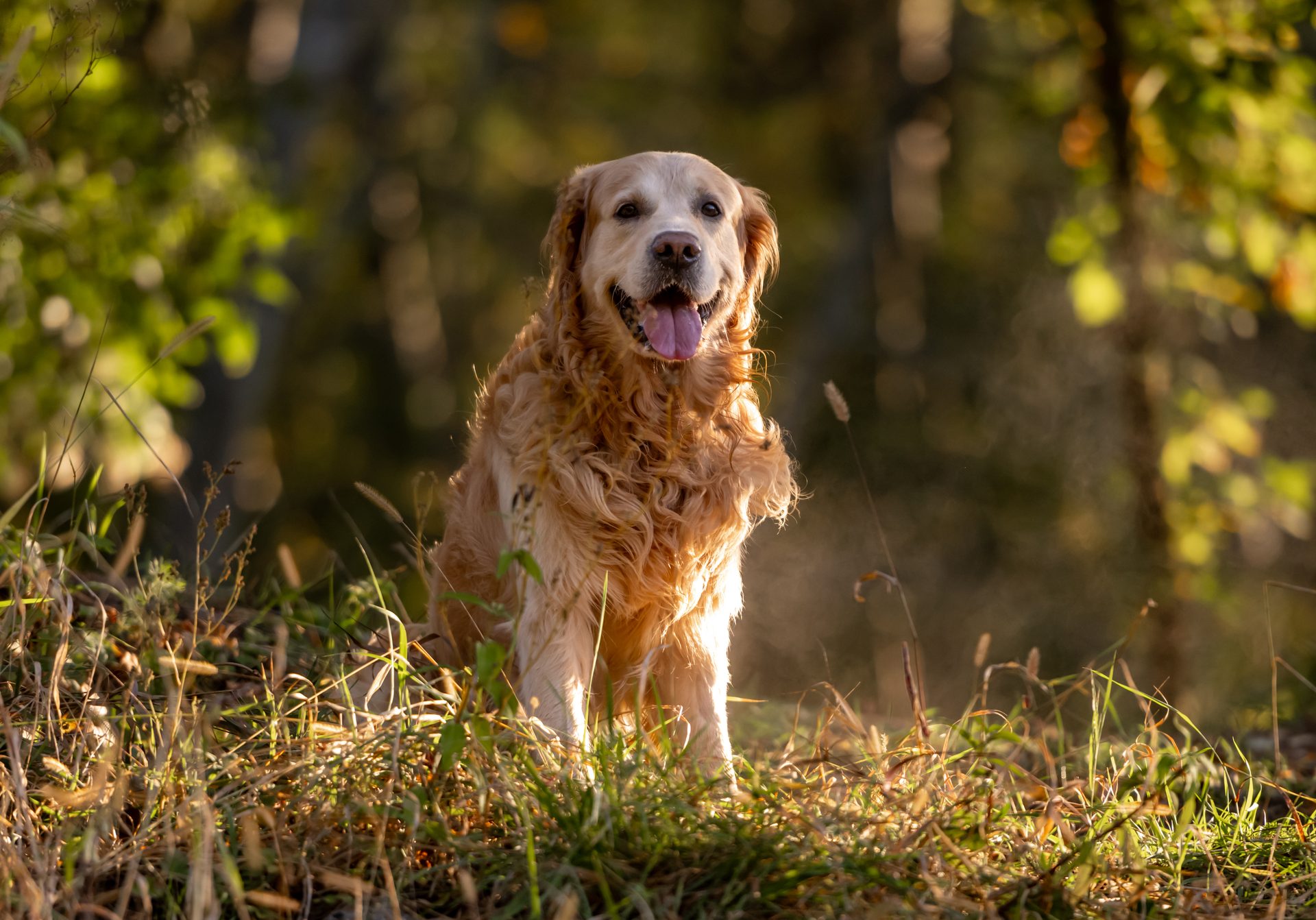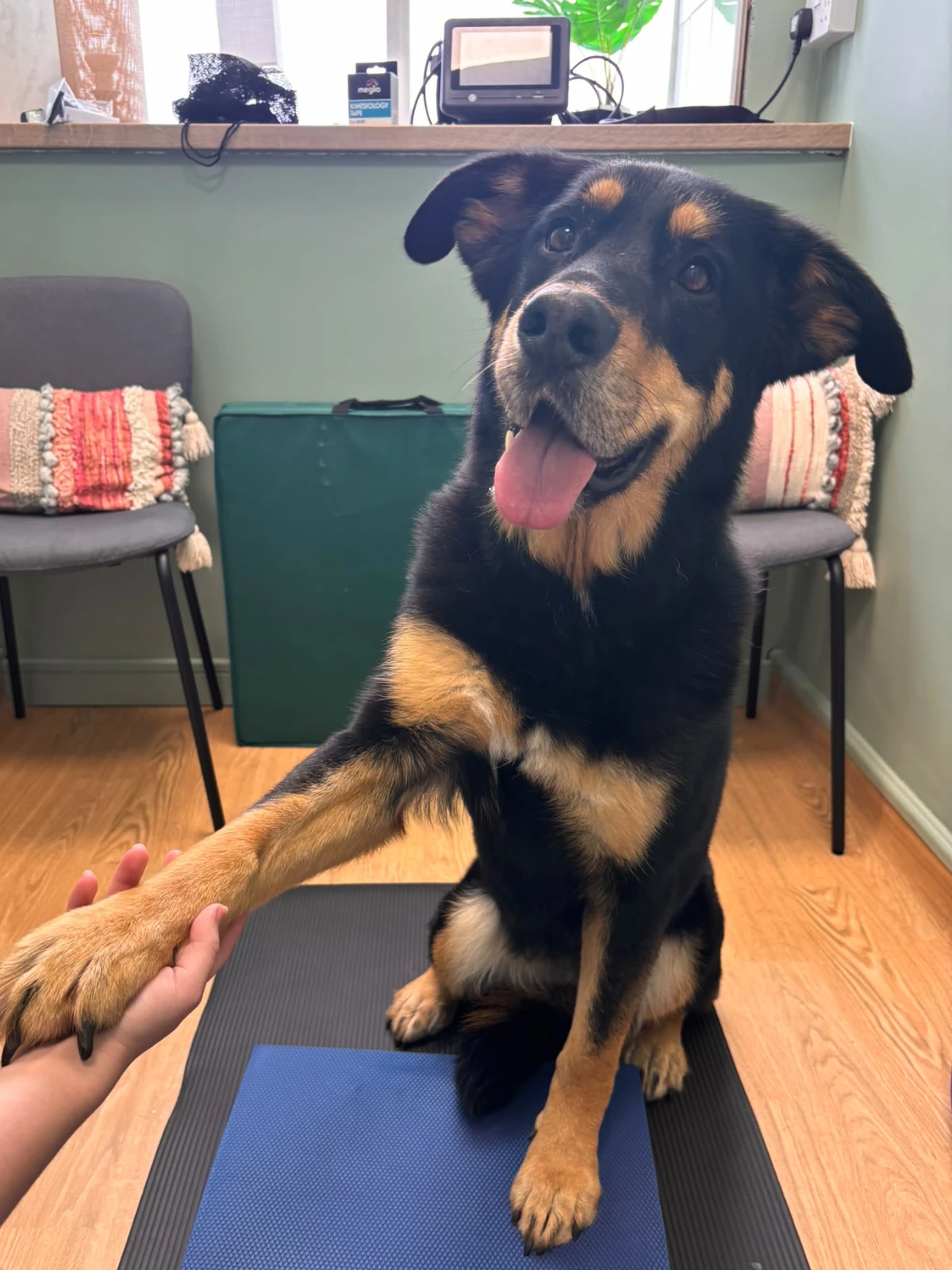
8 Clues to Help You Understand the Meaning of Your Dog’s Movements
Changes to how your dog moves can offer important clues to how they’re feeling.
You know your pet better than anyone, so if their reaction changes during their normal day-to-day tasks, it may be an early sign that something’s wrong.
How do I know if my dog is in pain?
When a pet starts slowing down, it’s often brushed off as they’re just getting lazy, getting older, or they just don’t want to walk as much anymore.
But this is where an important distinction needs to be made. Do you have a dog that doesn’t want to or a dog that finds it harder or less comfortable to?
Wouldn’t it be so much easier if we could talk to our pets and actually get an answer. It would be so much simpler if we could get an answer like, “Mum, it doesn’t feel as easy carrying out that movement as it used to.”
This may not be the case, but the good news is that they can communicate in other ways.
A dog doesn’t have to cry, limp dramatically or refuse to walk altogether for there to be a problem.
They’re really good at adapting, such as changing the way they distribute their weight, finding a different way of standing or altering their stride.
It’s not just older dogs to consider either, as younger dogs can experience problems too. Puppies and young dogs are developing quickly, and their movement can change as they grow.
While some changes may be associated with growth, persistent stiffness, lameness or reluctance to exercise shouldn’t simply be put down to growing pains. These changes are worth paying attention to and discussing with our team.
Start investigating with these 8 movement clues
Movement can tell us a great deal about how your pet is feeling and functioning. Remember though, it doesn’t happen in isolation. Look at what happens before, during and after an activity.
Your dog’s body language can provide additional clues too. Changes in posture, facial expression, tail carriage, willingness to interact or how they respond to touch can all be worth noticing. But just like movement, these signs are most useful when you compare them with what is normal for your pet.
Check out the clues below and we can help you understand how to spot changes, and what evidence can help our team.
Clue 1: Watch how your dog gets up
Keep an eye on how your dog gets up after resting, whether it’s after a night’s sleep, after a long afternoon nap, or lying down after a long walk.
Do they get up smoothly or do they hesitate, shift their weight, take several attempts or appear stiff for the first few steps?
Changes in movement, behaviour and activity can be subtle signs of chronic pain in older pets. We encourage all pet owners to monitor these changes first rather than automatically attributing them to ageing.
Clue 2: Look at the first 10 steps
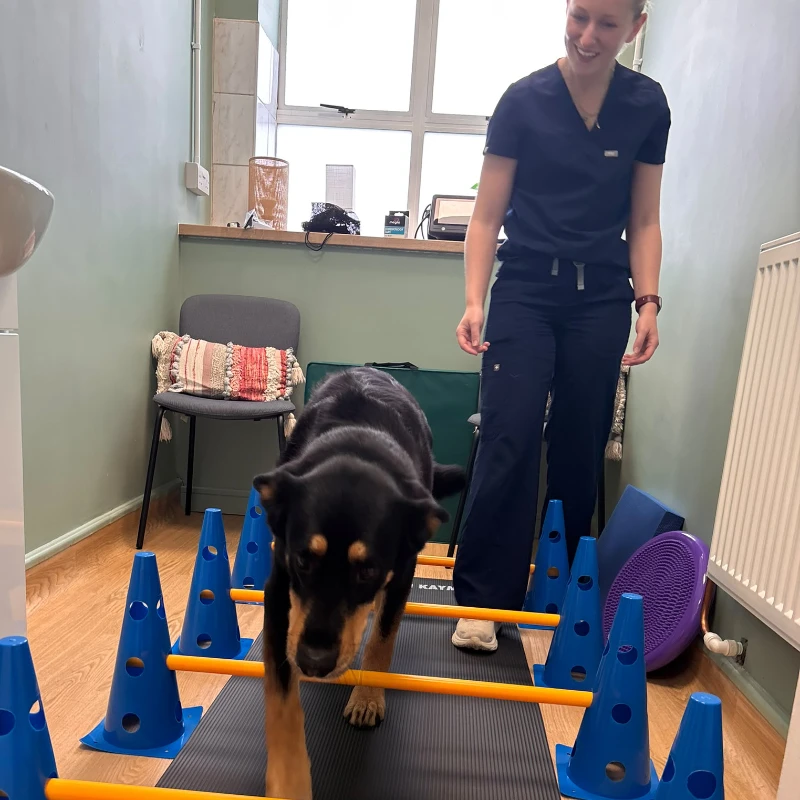
The next time your dog gets up, watch the first few metres rather than simply watching where they are going.
Are they taking shorter steps, are they walking at a slower pace, or are they limping?
Don’t worry about trying to work out exactly what these changes mean, it’s just about noticing them.
Clue 3: Watch how they manage the stairs
Stairs can be surprisingly informative for noticing a change in a familiar movement.
Has your dog started hesitating, do they go up more slowly, take one step at a time or simply avoid them all together?
A new change to how they tackle the stairs can be worth getting your dog checked out.
Clue 4: Can your dog still jump into the car?
Imagine your dog used to jump happily into the car and now they walk towards the boot, stop and look at you, start to hesitate and then wait to be lifted in.
You may think they are just being stubborn, but it might be because that specific movement has now become harder for them to carry out.
Look at function, rather than simply ability. How are they doing what they are doing and how are they feeling afterwards?
Clue 5: Check how they turn
The next time you’re outside, watch your dog turn around.
If they start turning differently or seem less comfortable turning one way, this can give our team useful information about their mobility.
The more specific your observations, the more useful your appointment can be.
Clue 6: How do they recover and settle down?
Check your dog one hour after their walk and see whether they’re still moving normally or do they look uncomfortable?
Later in the evening, do they get up easily? The following morning, have their movements become stiffer than usual or are they reluctant to go for another walk?
Watch how they settle too. Do they seem unable to get comfortable? Are they still panting even though they should be in a rest state?
These changes don’t mean you should jump to the conclusion your dog has a particular condition. But if they’re new or becoming a pattern, it’s worth a discussion with our team.
Clue 7: Look at the environment too
Take a look around your home and think about whether there is anything that is making your dog’s movement more difficult.
Check if they lose confidence when turning on hard flooring? Are they repeatedly jumping up and down on the sofa? Can they comfortably get in and out of their bed? Is the garden uneven or slippery?
Small environmental changes can sometimes make everyday movement safer and easier.
Clue 8: Watch for shaking or trembling
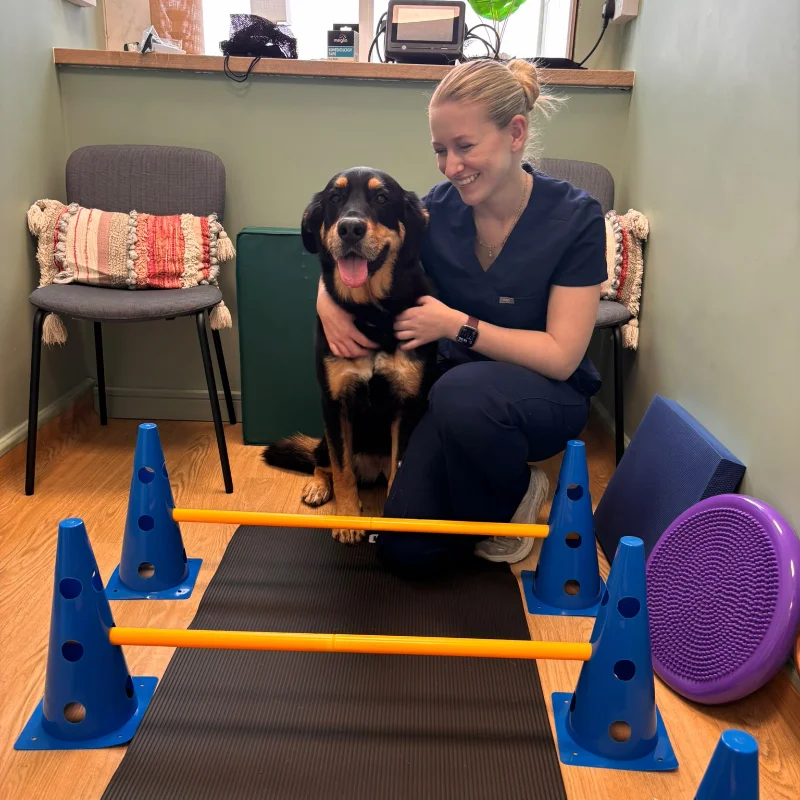
Shaking or trembling is natural and can have lots of causes. It may just be that they’re excited, or the opposite in that they’re stressed. It could even just be because they’re cold. So, if your dog is shaking or trembling, make sure you consider the situation they’re in.
If they start shaking when getting up, moving, settling down or when being touched, keep a note of this change. Is it during a particular movement? Do they seem uncomfortable at the same time?
These details can help our team understand what you’re seeing.
Get recording the evidence on your phone
If you’ve noticed a change in your pet’s movement, your phone can become a surprisingly useful tool.
We recommend taking short videos of your dog doing these normal, everyday movements::
- getting up from rest
- walking towards you
- walking away from you
- turning in both directions
- moving around the home
- going up or down stairs if they already use them safely
We love seeing videos as they are so helpful to fully see how your dog moves and how this changes over time.
But, if your video skills aren’t up to scratch, try and keep a written diary of your pets movements throughout the day.
For example, Friday (1pm): Penny didn’t want to jump into the car and needed help.
Patterns are often more informative than a single observation. Then, if you need to come in and see us, the record can help provide context.
What treatment is available for a dog in pain?
Your dog’s pain treatment plan will depend on the cause. Once we have assessed your dog, we will put together a plan that can include prescription pain medication, physiotherapy, rehabilitation exercises to do at home, acupuncture, laser therapy and other herbal remedies.
If there’s been a significant injury or we’ve found an underlying problem, we may suggest further veterinary treatment or surgery.