Winter in Scotland can be a challenging time for our pets. It’s not just the cold temperatures, it’s the combination of damp coats, muddy trails and icy pavements. Not only this, but our days are getting shorter, so getting out and about with your dog is often in the dark!
In this guide, we’ll explore some of the lesser-known winter challenges facing dogs and cats, including:
- Keeping your dog warm and drying their coat properly after wet walks.
- The hidden dangers of snow, muddy puddles and icy pavements.
- Protecting your dog’s paws from road salt, grit and ice.
- Recognising winter-related joint stiffness and preventing weight gain.
- Managing dry, itchy skin and seasonal shedding.
- Understanding winter infections, fleas and other parasites.
- Identifying why your dog might be shaking or trembling.
- Keeping dogs and cats mentally stimulated during shorter days.
- Spotting winter hazards for outdoor cats, including antifreeze and cold hiding places.
- Knowing when your pet’s symptoms need veterinary attention.
Feeling the winter chill
Getting soaked through on a winter walk and being exposed to blustery Scottish winds can leave dogs feeling cold and uncomfortable, particularly if they’re left to dry slowly.
This can be more of a problem for short-haired breeds, such as Greyhounds and Staffies, as well as smaller dogs with less body mass to retain heat. Puppies and elderly dogs can also be more vulnerable to the cold.
Rain can soak through even the fluffiest fur, leaving moisture trapped close to the skin, particularly in dogs with dense coats.
Damp fur can become matted, and trapped moisture against the skin can contribute to irritation and skin infections.
Drying your dog properly
A quick towel dry might be enough for a light shower, but a dog who has spent an hour charging through muddy Scottish woodland may need a little more attention.
After a wet or muddy walk, pay particular attention to these areas when drying your dog:
- Between the toes
- Under the armpits
- Around the ears
- Under the collar and harness
- Around the belly and groin
- Under thick fur
Should I let my dog wear a coat in winter?
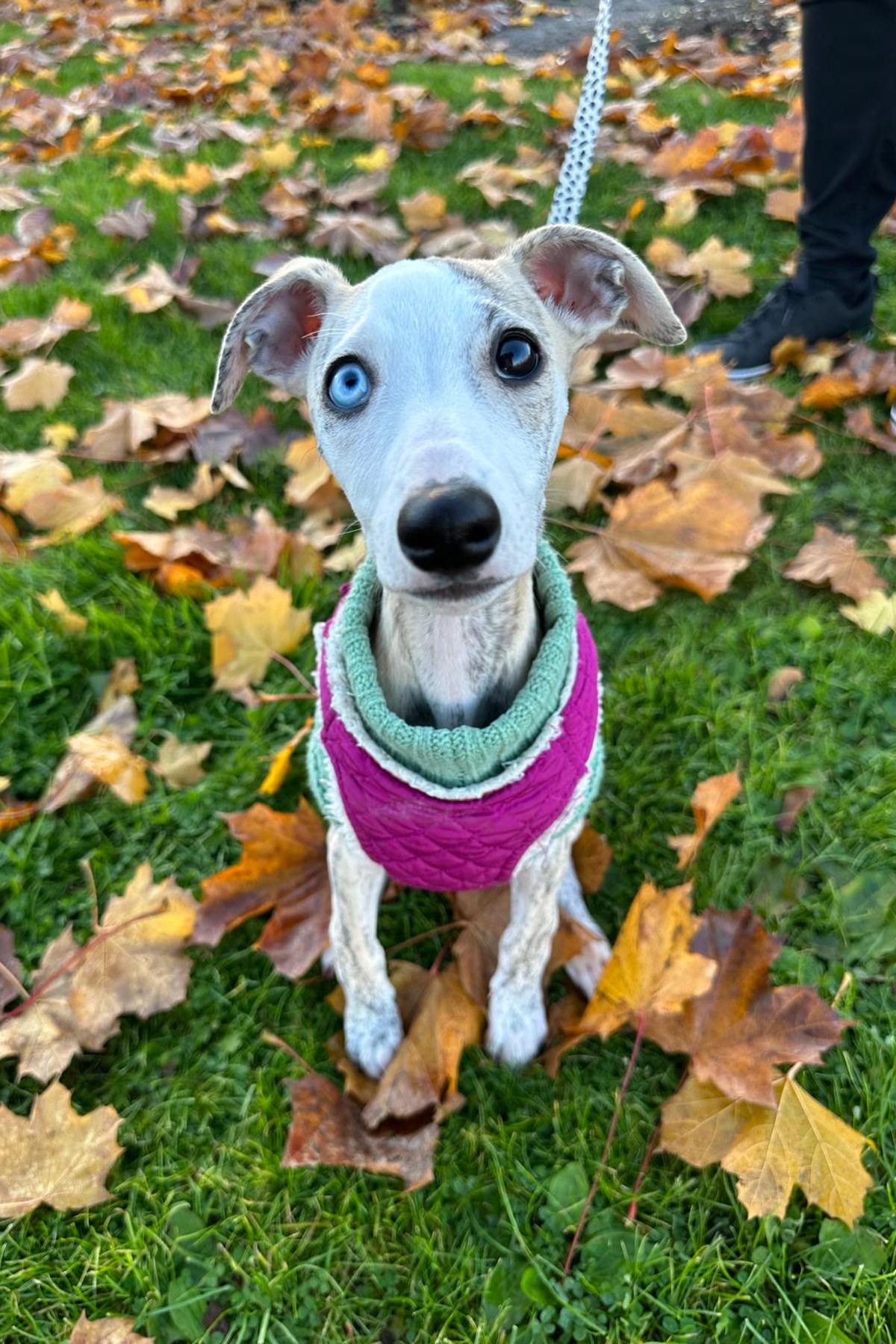
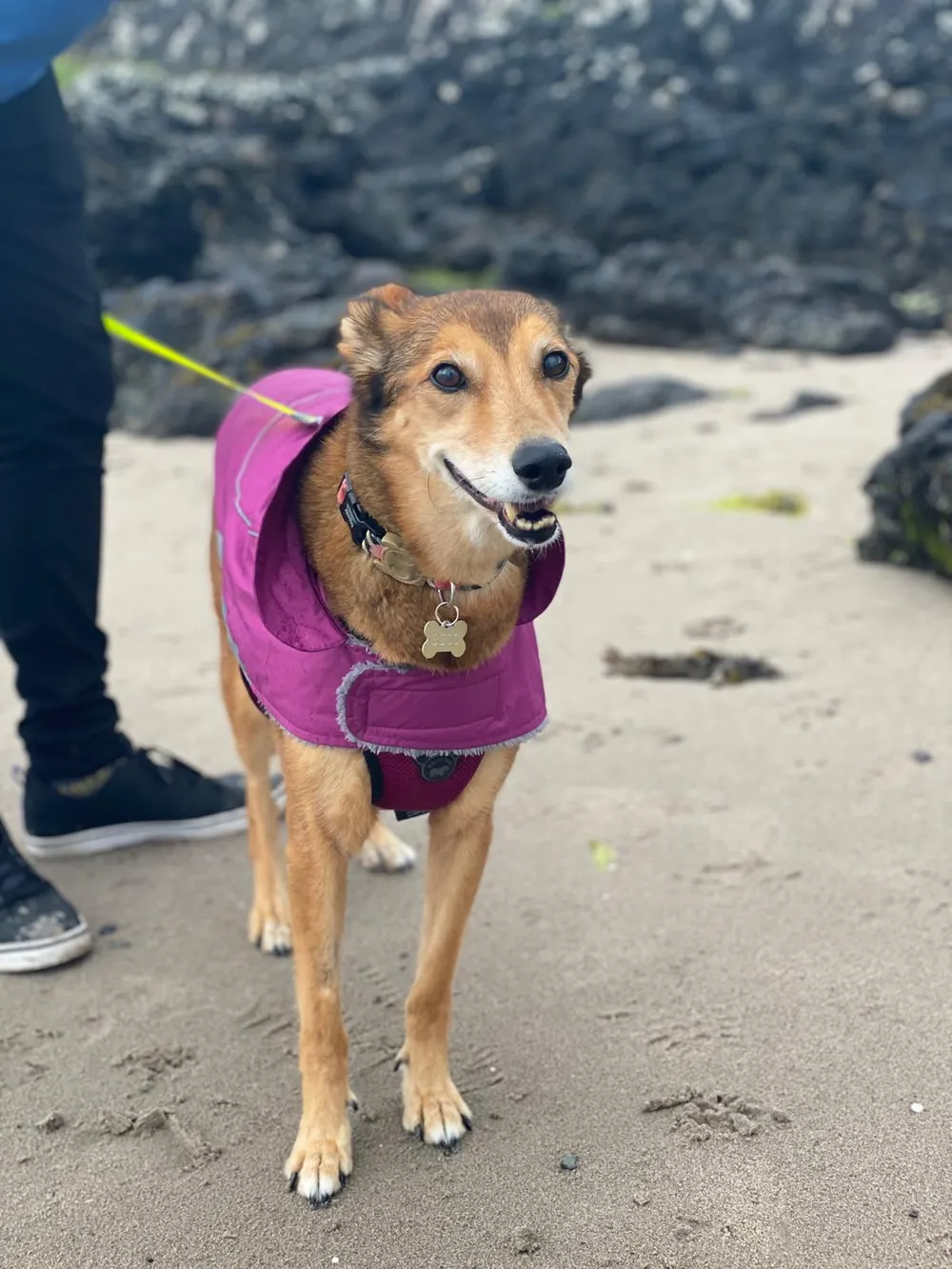
Yes, a waterproof outer layer can be useful for dogs who feel the cold or regularly get drenched. Just make sure it fits properly. A dog coat should not restrict movement and it should always be removed as soon as you get back indoors.
Snow might look like fun, but it isn’t always harmless
Most dogs seem to love snow, bouncing around in fluffy undisturbed snow, burying their noses in it, chasing after snowballs and having the occasional munch on it.
A small amount of clean, fresh snow isn’t a problem, but if your dog consumes large quantities it can upset their stomach and cause vomiting and diarrhoea.
Snow isn’t always as clean as it looks too, as it can conceal road salt and grit, antifreeze, or even animal faeces and urine.
It’s particularly important to avoid snow near roads, car parks and pavements because of the risk of contamination from antifreeze used in cars. Even a relatively small amount can cause life-threatening kidney damage!
So, if your dog has been recently playing in the snow and starts displaying symptoms such as vomiting, diarrhoea, excessive drooling, lethargy or a loss of appetite, please get in touch with our team as soon as possible..
Early treatment is crucial, and delaying veterinary attention can have serious consequences.
Muddy puddles could be more than just dirty water
A puddle isn’t always harmless, clean rainwater. It can contain bacteria, parasites, animal waste and chemical contaminants.
One infection worth knowing about is leptospirosis, which can spread to dogs through contact with contaminated water or wet ground.
Although leptospirosis in dogs is not typically thought of as a winter illness, Scotland’s wet conditions mean it’s worth being mindful of the risk all year round. The infection can cause serious illness in dogs, including kidney and liver damage.
Another concern is Giardia, a parasite that can be picked up from contaminated water and cause diarrhoea and other digestive problems in dogs.
Try to take fresh water with you on walks and discourage your dog from drinking from puddles and ditches, even if the water looks clean.
“We can advise owners to avoid puddles, ditches and stagnant water, but we can’t eliminate every risk when out walking. That’s why having the right vaccination protection in place is so important.
If you’ve recently welcomed a puppy, make sure their vaccination course is up to date. If you’re unsure what protection your dog has previously received, we can discuss titre testing to help assess immunity to certain diseases.” – Adele, The Natural Vet.
The dangers hiding beneath your dogs paws
Winter dog walks can be tough on your dogs paws as they’re vulnerable to harsh conditions that can cause discomfort or even injury.
Road salt can get trapped in between the toes, which can make them sore and cause cracking.
Snow can also collect around the paw pads and between the toes, compacting into hard, painful ice balls.
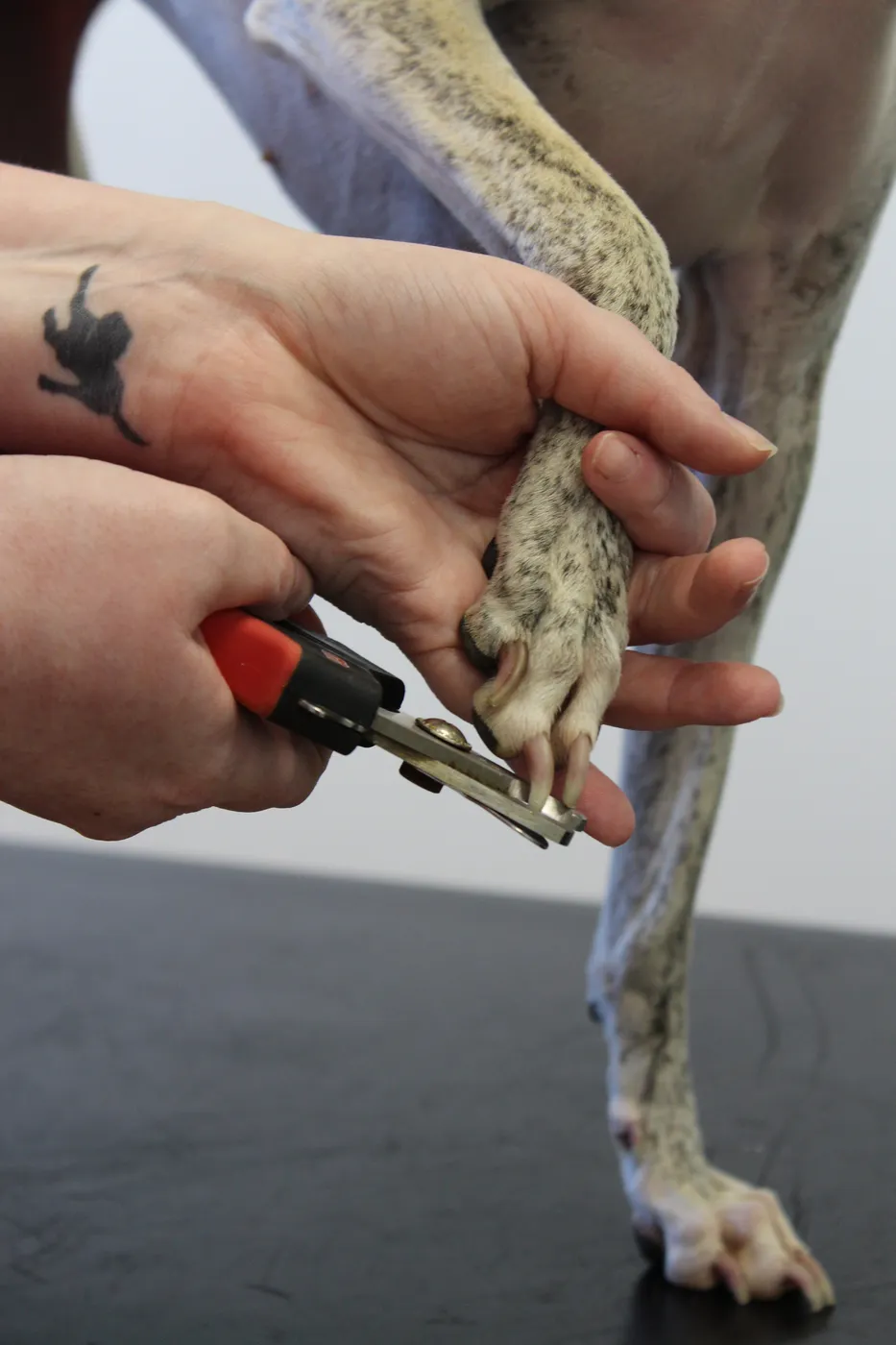
Try our winter post-walk routine
- Check between your dog’s toes after every winter walk.
- Rinse paws with lukewarm water to remove salt and grit.
- Dry thoroughly, particularly between the toes.
- Check for cuts, cracks, redness and swelling.
- Check for any grit, small stones or debris lodged between the paw pads.
- Prevent your dog from licking their paws until they’ve been thoroughly rinsed and dried.
- Consider protective dog boots if your dog tolerates them.
- Keep the fur between paw pads neatly trimmed where appropriate.
- Use a paw balm if the pads are becoming dry or cracked.
Icy pavements and painful slips
Black ice can cause a dog to lose their footing and endure a nasty strain. A dog’s legs are not immune to the same sort of awkward twisting movements that cause injuries in humans!
Older dogs and those with existing joint problems may be particularly vulnerable to issues if they slip, especially if they suffer from arthritis.
Even inside the home, the dangers don’t disappear. If your floor gets wet and slippery and your dog charges across a laminate or tiled surface they could slip and seriously hurt themselves!
“We often see dogs coming into the practice over the winter months with joint-related problems, and quite often their owners have noticed that they’re not moving quite as comfortably as they normally would. They might be slower getting up after a nap, reluctant to climb the stairs, hesitant to jump into the car or showing a slight limp after a walk.
“It’s easy to assume they’re simply feeling the cold, but these changes shouldn’t be dismissed as just a winter niggle. Colder weather can make existing joint conditions, particularly osteoarthritis, more noticeable, and the combination of reduced activity and colder temperatures can leave some dogs feeling particularly stiff and uncomfortable.
“If you notice your dog moving differently, even if it’s only a subtle change, it’s worth getting them checked. The earlier we identify what’s going on, the sooner we can look at ways to keep them comfortable and mobile throughout the winter.” – Adele, The Natural Vet.
Winter weight gain in dogs
During summer, dogs can enjoy long walks, outdoor play and lots of opportunities to explore. In winter, things start to change as walks become shorter to avoid the rain and freezing temperatures.
It means dogs aren’t getting the same amount of exercise but a lot of the time their diet hasn’t changed. Their food portions remain the same and they get extra treats too!
All this can add up, and your dog could start piling on the pounds.
An overweight dog means there’s more pressure on their joints, and it can make existing arthritis worse and increases the risk of other health problems.
How to prevent winter weight gain?
- Keep an eye on portion sizes.
- Measure meals rather than guessing.
- Factor treats into their daily food allowance.
- Swap some high-calorie treats for suitable lower-calorie alternatives.
- Use puzzle feeders and enrichment toys.
- Maintain regular exercise, adjusting the duration to suit the weather.
- Check your dog’s body condition regularly.
If you can’t manage a long walk, try several shorter walks combined with indoor activities. Remember, mental stimulation is exercise too! A 15-minute scent game can be surprisingly tiring for a dog.
If you’re struggling to manage your dog’s weight or are concerned they’re gaining a few extra pounds this winter, we’re here to help. Our weight clinic offers support and guidance to help your dog get back to a healthy weight.
Mud, moisture and central heating causing skin issues
Winter can be tough on your dog’s skin. Moving between cold, wet outdoor conditions and warm, dry indoor environments can cause skin to become dry, itchy and irritated.
Winter skin issues in dogs to look out for
| Winter skin issue | What to look out for | What to do next |
| Dry, flaky skin | Dandruff, increased scratching and a dull-looking coat. | Brush regularly.
Avoid over-bathing. If it persists, speak to our team about possible underlying causes. |
| Irritated paws | Redness, soreness, excessive licking or chewing between the toes. | Rinse paws with lukewarm water after walks.
Dry thoroughly Check for trapped grit or ice. |
| Moisture-related skin problems | Red, inflamed or irritated skin, particularly in skin folds and beneath thick coats. | Dry your dog thoroughly after wet walks.
Pay attention to skin folds and areas where moisture becomes trapped. Seek our veterinary advice if irritation develops. |
| Existing allergies | Increased scratching, licking, chewing or recurring skin irritation. | Arrange a veterinary check to identify possible triggers and discuss appropriate treatment. |
| Hot spots (acute moist dermatitis) | Painful, red, inflamed and sometimes wet patches of skin that can develop quickly. | Contact us immediately.
Prevent further licking or scratching where possible. |
Winter shedding could mean more than extra hair
It’s clever how our dogs can adapt to the seasons.
Dogs may develop a thicker winter coat as the seasons change, which can often result in more shedding.
When indoors, central heating and artificial lighting can also affect seasonal shedding too.
Regular grooming helps remove loose hair, prevent tangles and keep an eye on the skin underneath.
“A common misconception we hear from owners is that pets need less grooming in winter because they need their extra fur to keep warm. In fact, this is when regular grooming can be particularly important. Wet coats can become tangled and matted, trapping moisture close to the skin and potentially causing irritation, soreness and discomfort.
“We also wouldn’t recommend shaving double-coated breeds just because they’re shedding more. Their coats provide natural insulation and protection. If you notice excessive hair loss, bald patches, redness or persistent itching, it’s worth getting them checked, as shedding isn’t always seasonal and can sometimes indicate an underlying skin or health problem.” – Adele, The Natural Vet.
Winter doesn’t mean a break from bugs
When the weather is miserable, many dogs spend more time indoors. Owners may also turn to dog parks, indoor training sessions, daycare and busier walking areas to make up for reduced outdoor exercise.
While these are all great ways to keep dogs active, increased contact with other dogs can also raise the risk of spreading infectious diseases.
Kennel cough in dogs can spread wherever dogs mix. It’s airborne, but can also be spread through contaminated objects such as water bowls and toys.
Watch out for signs such as a persistent, dry cough, retching or gagging, nasal discharge, reduced energy and, sometimes, a raised temperature or reduced appetite.
It’s easy to forget that fleas remain active during winter too!
Central heating provides fleas the warmth they need to survive and reproduce indoors, so keep your dog’s parasite prevention up to date.
Make sure vaccinations are also current, remembering that they don’t protect against every cause of kennel cough.
You can find out more about your pet’s routine care here.
A dog shaking in winter isn’t always cold
If your dog starts trembling on a winter walk, the obvious assumption is that they’re cold.
But a dog shaking can have several different causes, and this is something owners shouldn’t overlook.
Why is my dog shaking?
Dogs can shake because of:
- Cold temperatures
- Fear or anxiety
- Excitement
- Pain or discomfort
- Nausea
- Illness
- Poisoning
Winter often brings indoor celebrations, changes to routine and plenty of unfamiliar sounds and smells, all of which can leave dogs feeling stressed and anxious.
Fireworks, storms, strong winds, darker walks and unfamiliar walking routes can also trigger anxiety, sometimes causing dogs to shake or tremble.
Signs alongside shaking that may require veterinary attention
If shaking is sudden, persistent or accompanied by the below symptoms, get in touch with our team.
- Panting
- Hiding
- Pacing
- Reluctant to move
- Holding one leg differently
- Sudden loss of interest in food
Your pet’s routine changes more than you might realise
Winter isn’t just physically demanding, it can affect behaviour and emotional wellbeing too.
For dogs, shorter walks, fewer opportunities to explore, less interaction with other dogs and long periods indoors can lead to frustration or boredom.
Cats can experience similar difficulties, particularly if they’re used to spending considerable time outdoors.
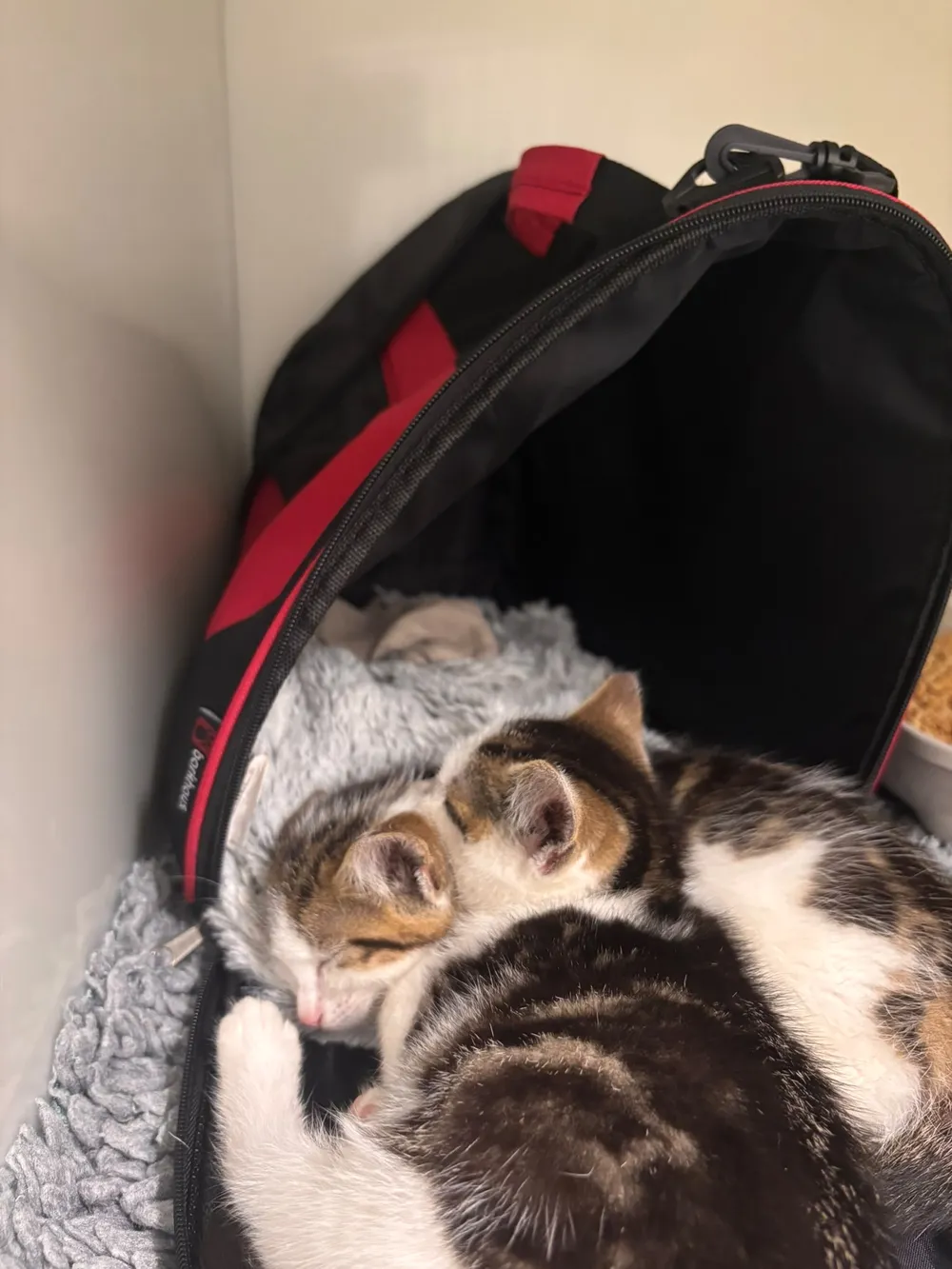
Tips on how to entertain your pets indoors
| Dogs | Cats |
| Find and seek – hiding treats around the house | Interactive fishing-rod toys. |
| Teaching new tricks | Puzzle feeders |
| Snuffle mats | Scratching posts |
| Food puzzles | Cat trees and elevated resting areas |
Winter dangers your cat might wander into
Cats have their own set of winter challenges, particularly those who spend time outdoors.
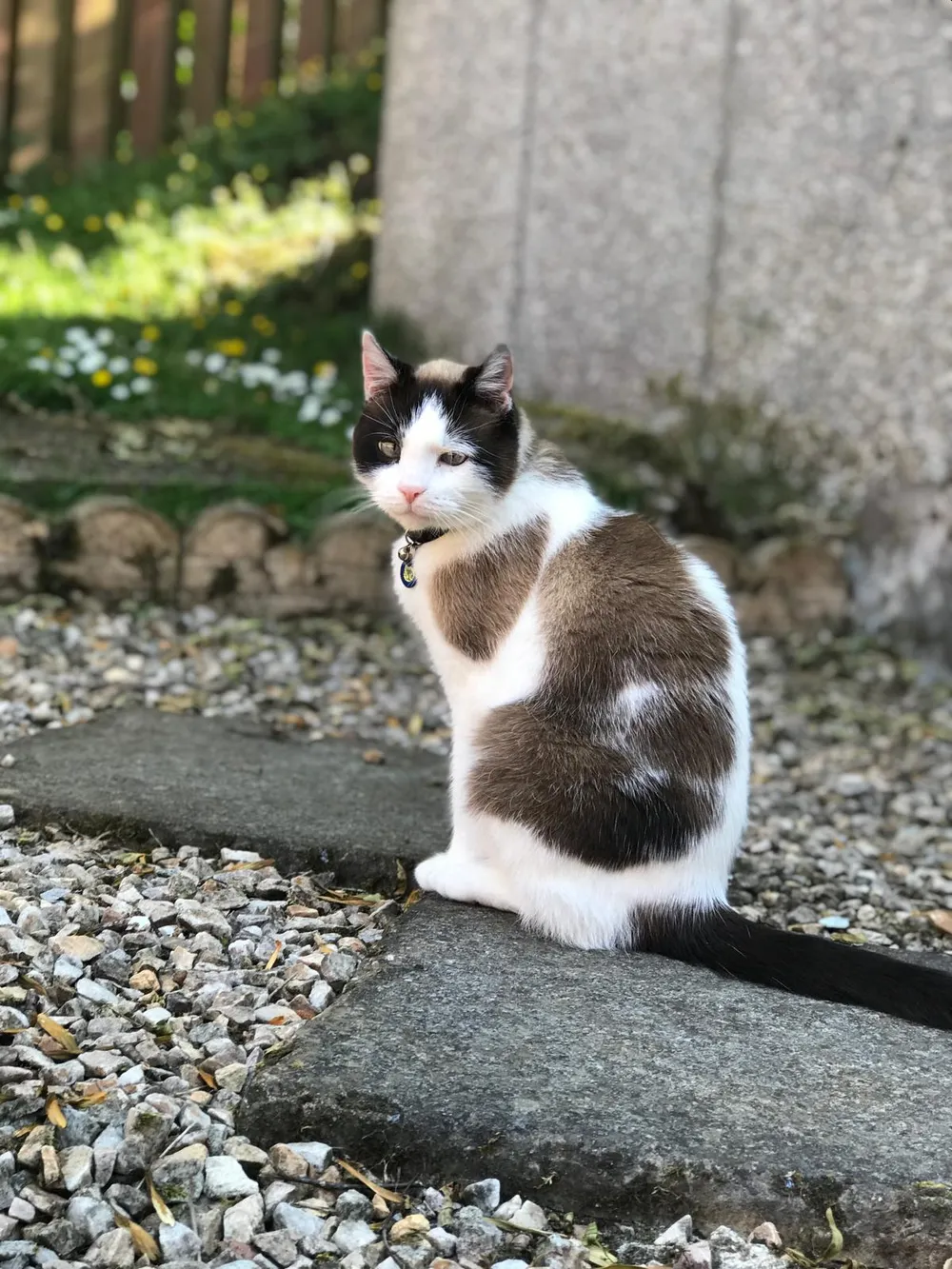
Antifreeze poisoning in cats
Cats can be attracted to the taste of antifreeze. Even a small amount can cause severe, potentially fatal poisoning.
If you suspect your cat has come into contact with or swallowed antifreeze, seek emergency help immediately. Do not wait for symptoms.
Cold cars and hiding places
Cats often look for sheltered, warm places when temperatures drop. This can include underneath cars, inside wheel arches or even beneath the bonnet.
Before starting your car, check around the wheels and give your bonnet a gentle knock to alert a hiding cat.
Getting trapped in sheds and outbuildings
Cats may wander into garages, sheds and garden buildings to escape the weather. Check before closing doors, particularly if the areas are easily accessible to cats.
Frozen water and reduced access outdoors
Make sure outdoor cats have access to fresh drinking water. Water bowls can freeze during particularly cold winter spells.
Changes in toileting habits
If your cat is reluctant to venture outside in bad weather, provide an indoor litter tray to avoid any indoor toileting accidents.
When should you contact our team?
Don’t wait for symptoms to worsen, get in touch as soon as possible if you notice any of your pet displaying any of these signs:
- Persistent limping or difficulty getting up
- Repeated scratching, licking or chewing
- Red, swollen or cracked paws
- Unusual hair loss or bald patches
- A persistent cough or breathing changes
- Vomiting or diarrhoea
- Unexplained shaking or trembling
- Changes in appetite, drinking or toileting
- Unusual lethargy or changes in behaviour
A little extra care goes a long way
Winter in Scotland can be a beautiful time to explore with your dog, but it’s also a time to remember the little things that matter.
Pay attention to any unusual changes in your pet and don’t ignore something simply because you assume it’s part of the season.
Good winter pet care isn’t just about keeping your dog or cat warm. It’s about making sure they’re comfortable, healthy, active and happy.