Winter can be a difficult time for dogs with arthritis. They might take longer to get up in the morning or become reluctant to go outside for a walk.
It’s common for owners to blame this on the cold weather, but there may be another reason for their change in behaviour.
The winter months change your dog’s routine and the cold temperatures can contribute to their stiffness and discomfort.
Let’s dive in and see how the change in your dog’s routine over the winter months can affect their arthritis symptoms. If you spot any familiarities with your dog, it may be worth getting in touch with our veterinary team today.
“One of the things we want owners to understand is that slowing down isn’t always just a normal part of getting older. If your dog is taking longer to get up, avoiding walks or struggling with everyday movements, it’s worth investigating rather than assuming it’s their age.” – Kirstie Ramsay, Head Veterinary Nurse.
Why can winter be harder for dogs with arthritis?
Osteoarthritis in dogs is a condition that affects the joints, causing pain and stiffness. It can affect dogs of any age, but it’s more common in senior dogs. It can also occur after your dog suffers an injury.
We want to get the point across that even though the cold UK winter doesn’t cause arthritis, it can contribute to their pain and make their stiffness more noticeable.
They’re moving less
When it’s cold, dark and raining, walks can become shorter or less frequent. Your dog may also spend more time curled up in a warm spot in the house rather than moving around sniffing things out.
When your dog is in pain, resting is important but if they have too little movement, they can become weaker and their mobility could worsen. We recommend your dog has a regular exercise routine to keep them moving. Try taking them on several short walks rather than one long one so they find exercise more manageable.
Wet weather and slippery surfaces can make moving harder
It’s not just the cold that can affect a dog with arthritis. Rain can create slippery surfaces both indoors and outdoors, making it harder for dogs with painful joints to keep their footing.
Wet pavements, muddy paths, slippery grass and smooth indoor floors can all pose extra challenges.
Arthritis can change in the way a dog walks if they’re stiff and in pain too. It may make them limp, take smaller strides or shift their weight to help manage their discomfort.
A sudden slip or awkward landing could strain a joint and worsen their existing pain.
Losing their footing can also make a dog feel less confident moving round the house. Over time, this reduced activity can contribute to muscle weakness, making it harder to maintain balance and recover if they slip.
After wet walks, dry your dog’s paws and coat. At home, consider using non-slip mats on slippery floors and keep their nails trimmed for better traction.
Sudden changes in temperature can affect their comfort
Going from a warm house into the cold outdoors, or coming back from your winter walk into a hot room, can be uncomfortable for some dogs.
Consider keeping your room at a consistent temperature, block any draughts and make sure they have a cosy bed to retreat to. The key is making sure they have a cosy space that’s not exposed to changes in temperature, such as near the front door.
After a walk, make sure you get them dry and allow them to warm up gradually rather than placing them right next to a very hot radiator or fire.
They’re at greater risk of gaining weight
Winter can mean less exercise, more time indoors and, sometimes, a few extra treats, especially at Christmas time!
Remember, dogs don’t need more food just because it’s layering season! A drop in activity may mean you should actually reduce what they’re eating to avoid weight gain.
An arthritic dog can have more problems if they’re overweight as the additional pounds can put extra strain on their already painful joints.
If your dog’s exercise has reduced over winter, keep an eye on their body condition. We can carry out body conditioning scoring at our practice and can have a discussion about the need for diet adjustments to help maintain a healthy weight.
Their usual signs of pain may be easier to notice
What can sometimes look like your dog slowing down in winter can actually be a sign that their arthritis is becoming more uncomfortable.
Have they started taking longer to get up after a sleep? Do they now avoid the stairs? Are they less interested in going for a walk?
It may not be the cold weather that’s making your dog behave differently. So, if you’ve noticed a shift in their mobility or behaviour, it may be time to talk to our team.
We can give your dog a full health check and work out whether their treatment plan needs changing to help them manage their condition better.
When should you speak to your vet?
Sometimes, the signs can be subtle, so here’s a few routine situations where you can look for a change:
| Situation | What you might notice |
| Playtime | They’re less interested in any games, they stop chasing toys or wander away sooner than usual. |
| Getting comfortable | They struggle to settle into bed or take longer to lie down and get back up. |
| Going for walks | They run away when you get the lead out or put the brakes on at the door. |
| Using the stairs | They hesitate or avoid the stairs altogether. |
| Getting into the car | They struggle to climb up or wait for you to help them. |
| Getting up after a rest | They’re stiff when they first stand up or take a little while to get moving comfortably. |
| Their mood and behaviour | They seem more irritable, withdrawn or less keen to interact. |
| Their sleeping habits | They sleep more than usual. |
How we can help
When we assess a dog with arthritis, we will review:
- How easily can they stand up, walk and turn?
- Have they lost muscle strength?
- Are they overweight?
- What’s their daily routine like?
- Has their behaviour changed?
Osteoarthritis is a progressive condition and it generally can’t be cured. We believe that there are holistic treatment options available to help them stay comfortable and as active as possible to lead a normal life.
Our treatment options can include:
- Physiotherapy to help improve strength, flexibility and movement
- Hydrotherapy to provide low-impact exercise while supporting mobility
- Acupuncture to help manage pain and mobility
- Prescription pain relief to help keep your dog comfortable
- Weight and nutrition advice
- Advice for looking after your arthritic dog in your home
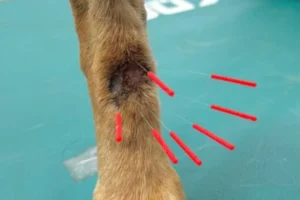
Acupuncture for dogs with arthritis
Acupuncture for dogs is a great way to help them manage pain by placing fine needles at specific points on the body.
At The Natural Vet, we believe that acupuncture should be used alongside other treatments, such as physiotherapy, hydrotherapy, prescribed pain relief and lifestyle changes, to support your dog’s individual needs.
Caring for your dogs arthritis this winter
If your dog suffers with arthritis and seems noticeably worse this winter, don’t just put it down to the weather. It may be a sign that their arthritis needs reviewing and they need extra help at managing their condition.
If you’re concerned about your dog’s mobility this winter, speak to our team today and we can help you find the right treatment plan for their needs.